KinderECLAT
für Kinder im Grundschulalter
Hear it Coming: is it the dystopian tension we all feel in view of the global situation?
Or does it refer to the wide variety of artistic concerns that have found their way into the festival programme?
In fact, it is the title of a highly exciting, expansive performance…
You can find the entire prologue to the festival here:
to the opening night and the festival programme
Conversation with composers of the festival
Francesca Verunelli: Songs & Voices
ECLAT begins with a musical celebration–in the wonderful combination of the French ensemble C Barré with the Neue Vocalsolisten. Franz Kafka’s »Silence of the Sirens« with all its paradoxes inspired Francesca Verunelli to create her magnificent cycle. High tension!
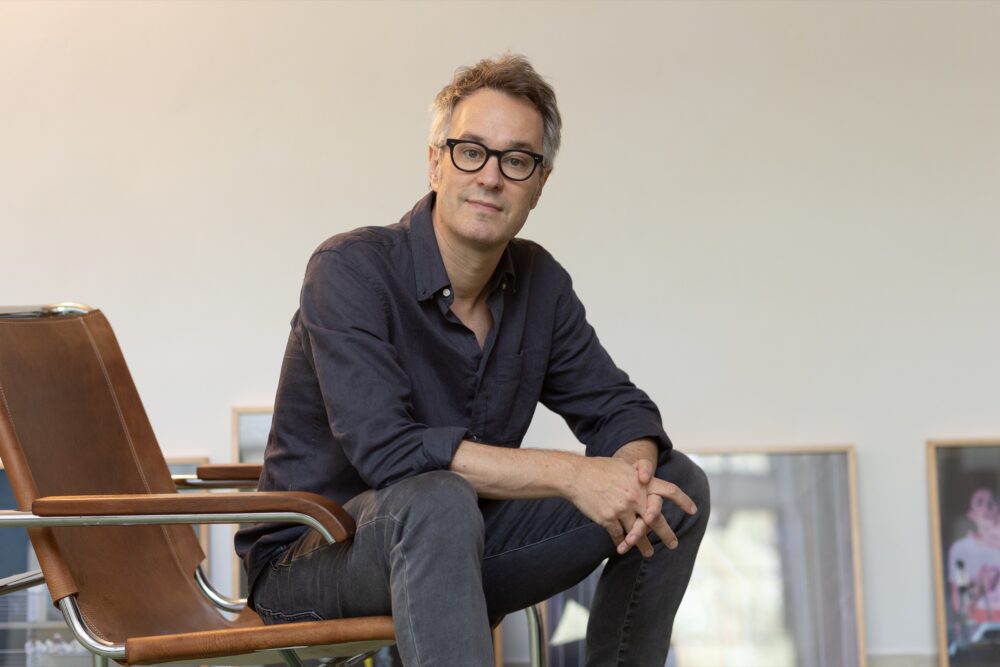
by Hans Thomalla
with Marcel Weber and Ensemble LUX:NM
An ensemble in the room, surrounded by the audience, illuminated by light art: a musical exploration of the night and the heightened contrasts that accompany it.
A spatial composition by Kirsten Reese
with Ensemble Recherche
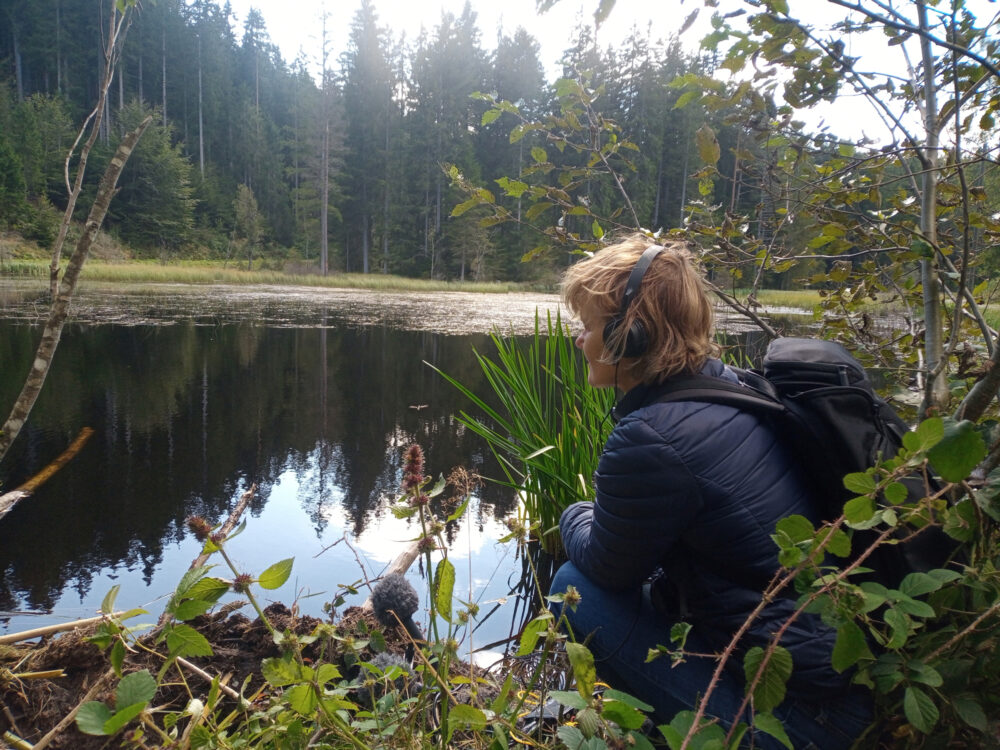
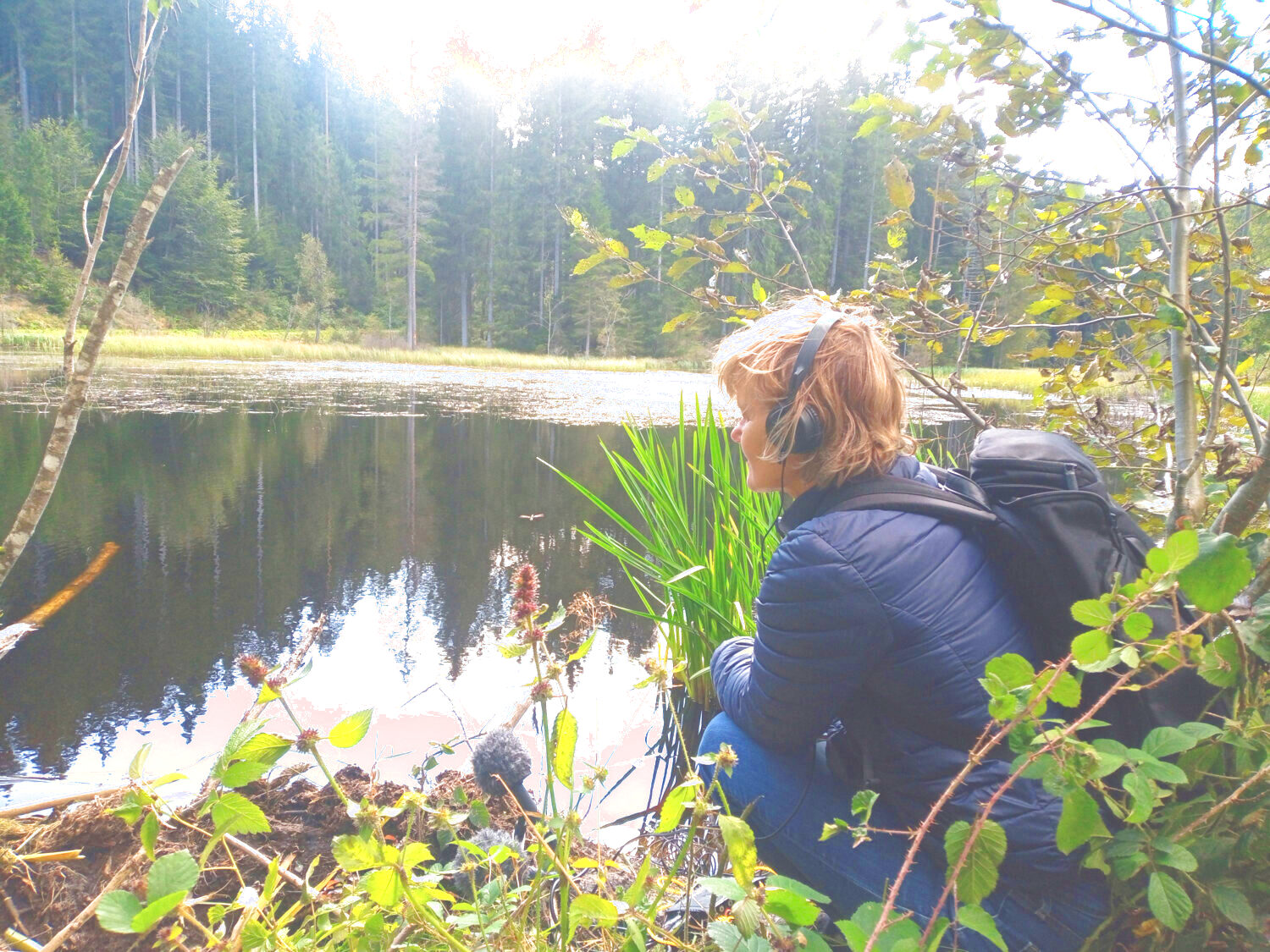
The forest as a place of projection and imagination: using hydrophones, contact microphones and sensor microphones, Kirsten Reese and biologist Sandra Müller listened to the forest and its microorganisms. An artistic transformation.
Possibilities of Live-Electronics
About the works of the evening
Conversation with artists from the two evening concerts
Multimedia performance
by Andreas Eduardo Frank
Acoustic beings and sound sculptures:
A constantly changing acoustic body unfolds plastically in space, wanders around, transforms itself, influenced by the movements of the musicians and the audience.
A »recalibration of the senses«.
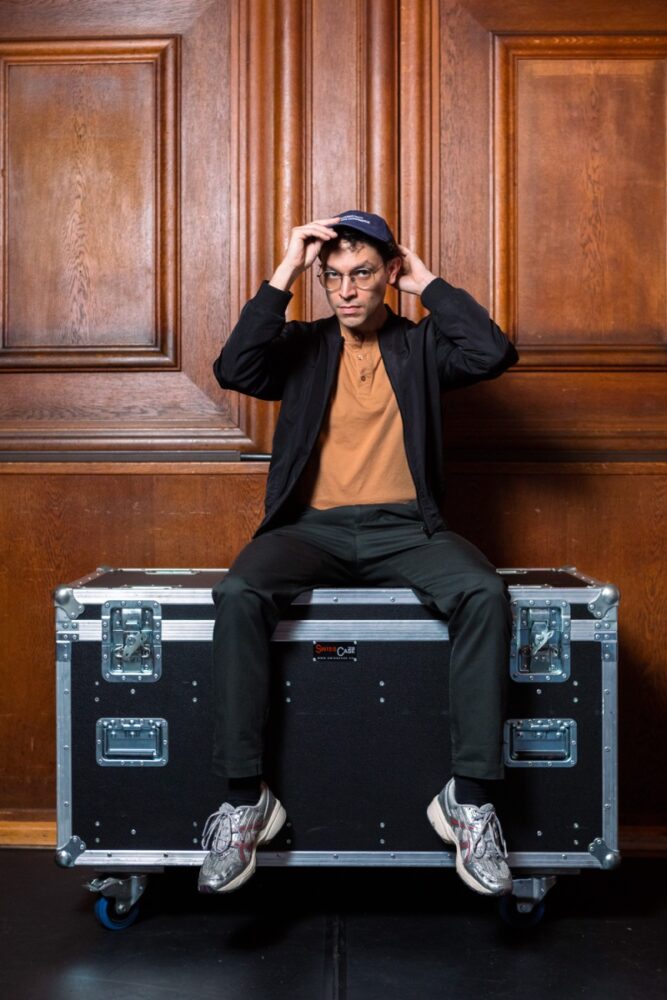
BÄ!
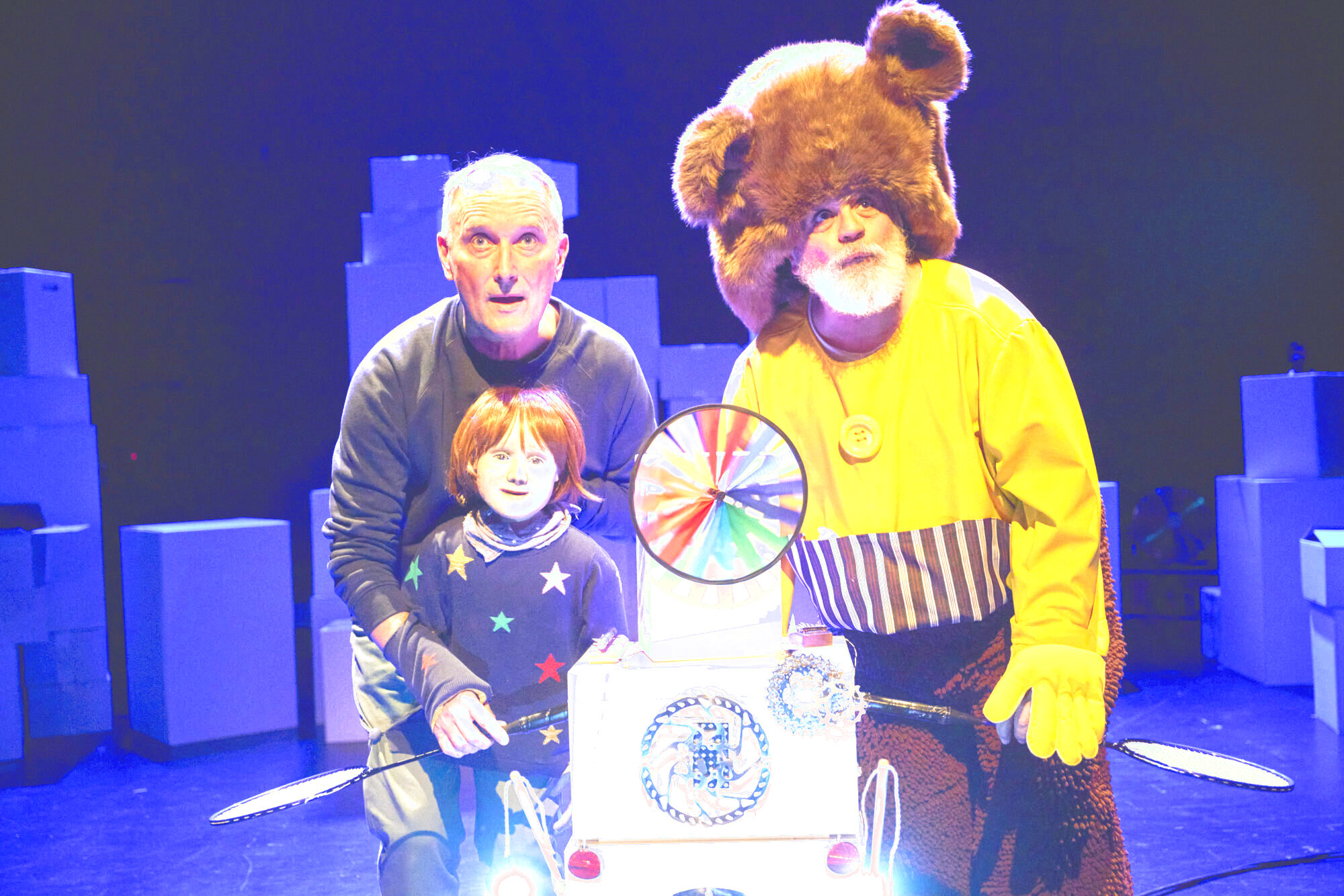
Music theatre for young audiences
Martin and his teddy bear Bä embark on an adventurous journey…
A play about friendship, daring to take risks and the boundless imagination of play.

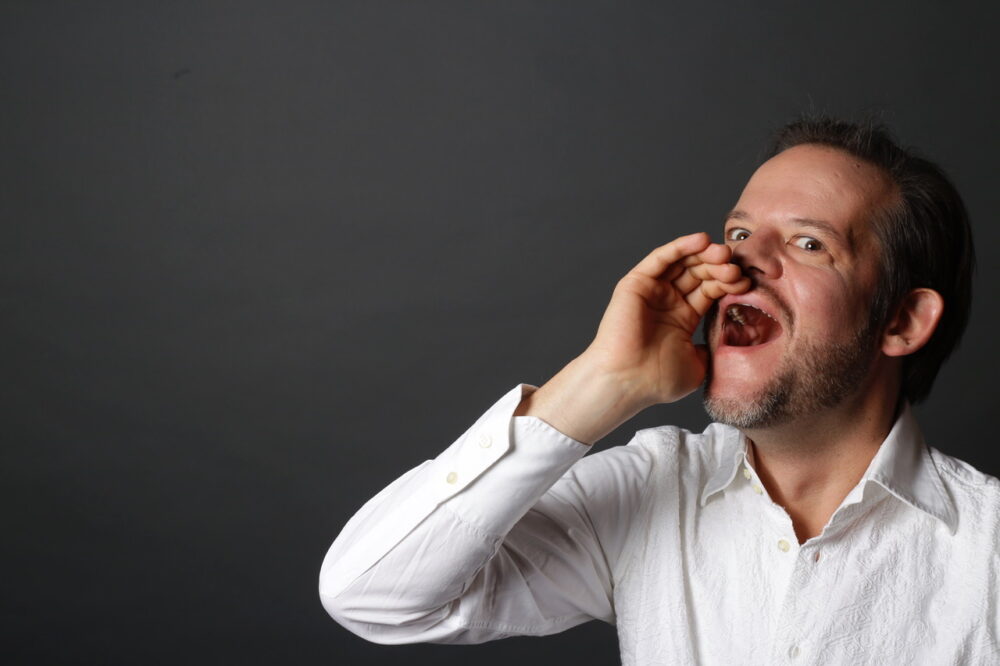
Young composers from Eastern Europe
In exchange with European musicians and in the context of current aesthetic debates, young composers from Eastern Europe created five imaginative new works.

Young statements and sophisticated concepts
Introduction to the works and projects of the day
Conversation with artists from the concerts
A composed ritual by lin korobkova
with Johanna Vargas
To remember something and rescue it from oblivion: In a dialogue between a singer and the computer-controlled microtonal Arciorgano, the composer explores questions of identity.
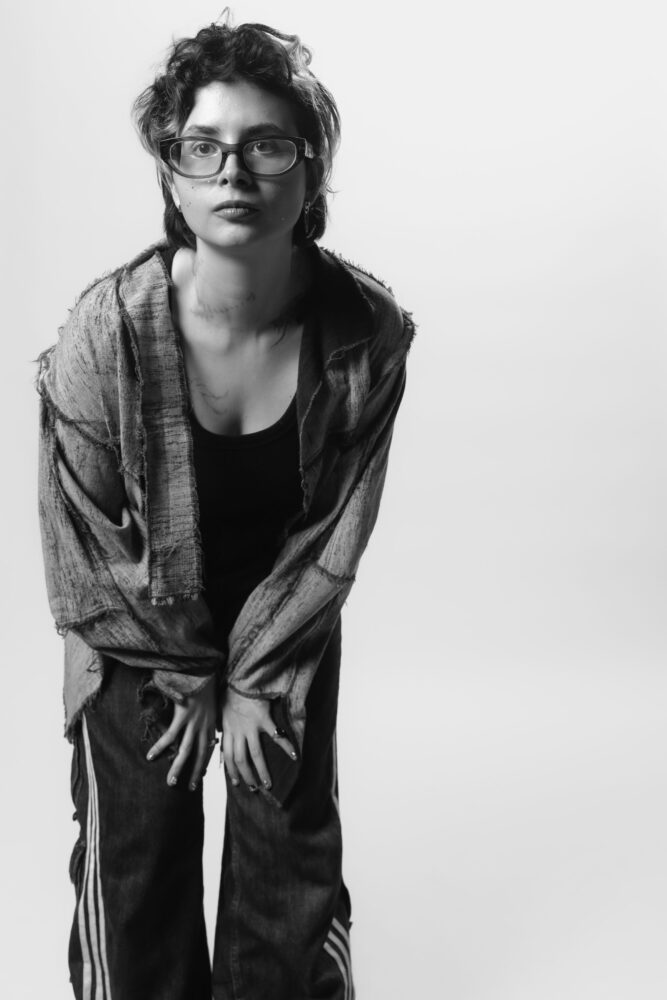
Oxana Omelchuk, Malin Bång, Arnulf Herrmann
SWR Symphonieorchester
Orchestral spaces of memory (Bång), a scathing parody of claims to power (Omelchuk): »Everything interacts, is alert, is related to everything else: an organism, a community of individuals, ultimately a utopia.« (Herrmann)
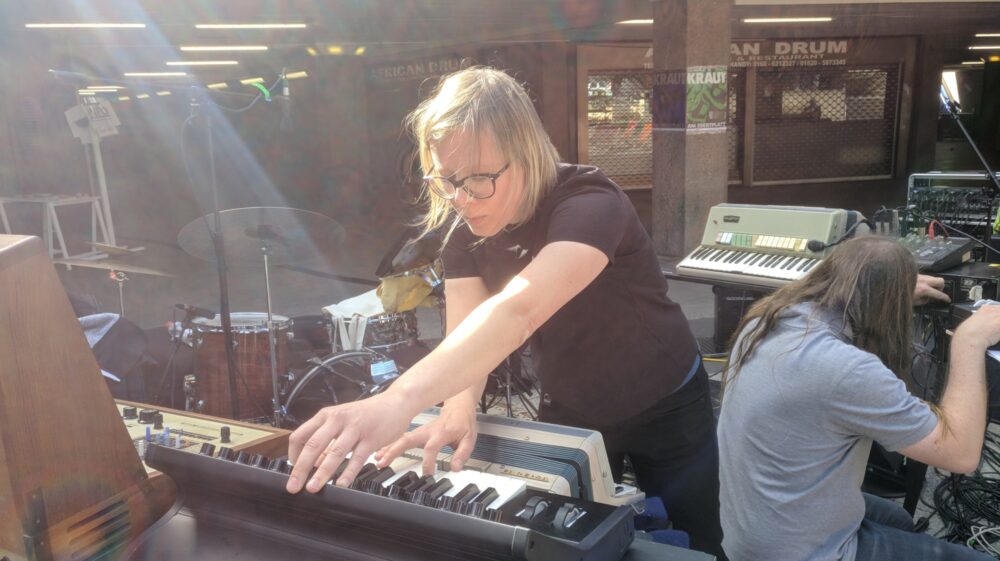
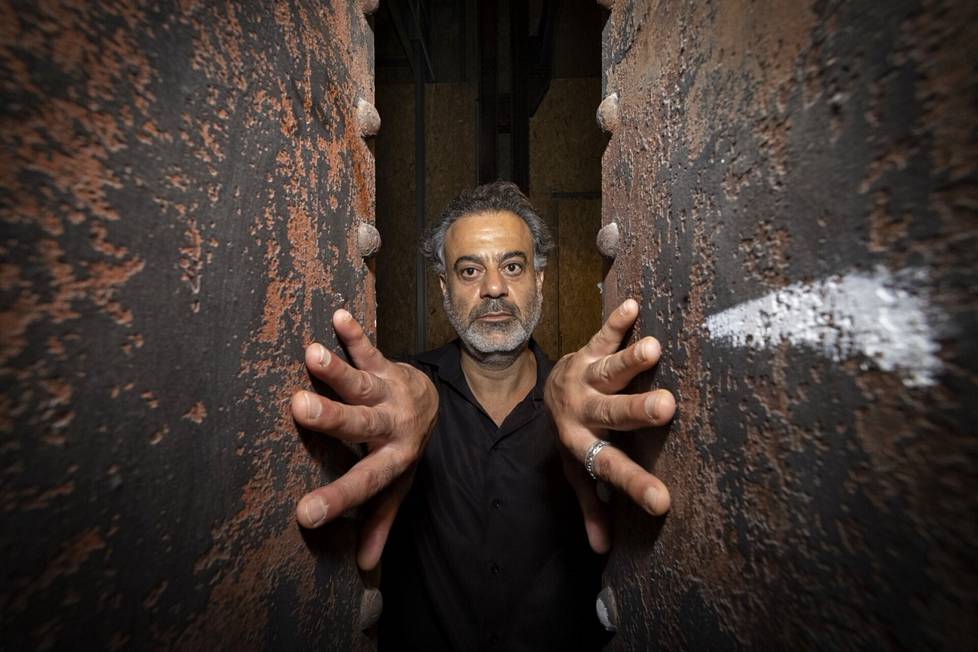
by Samir Odeh-Tamimi
Vanessa Porter, Percussion
In thermodynamics, entropy describes the disorder or degree of uncertainty in a system. In artistic processes, it is significant for the balance between structure and dissolution, order and chaos.
A hybrid club night
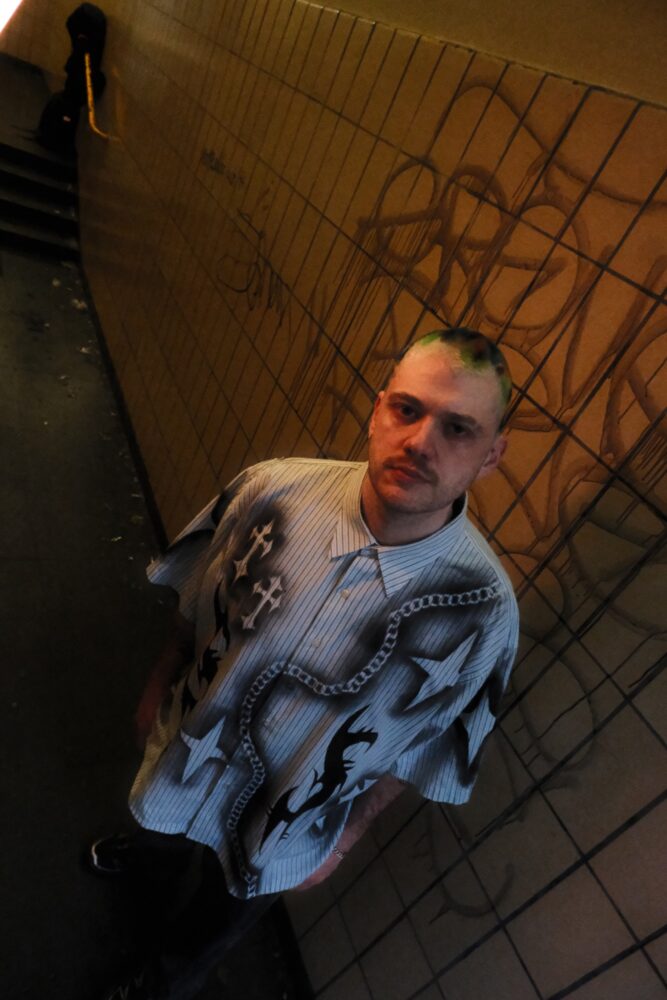
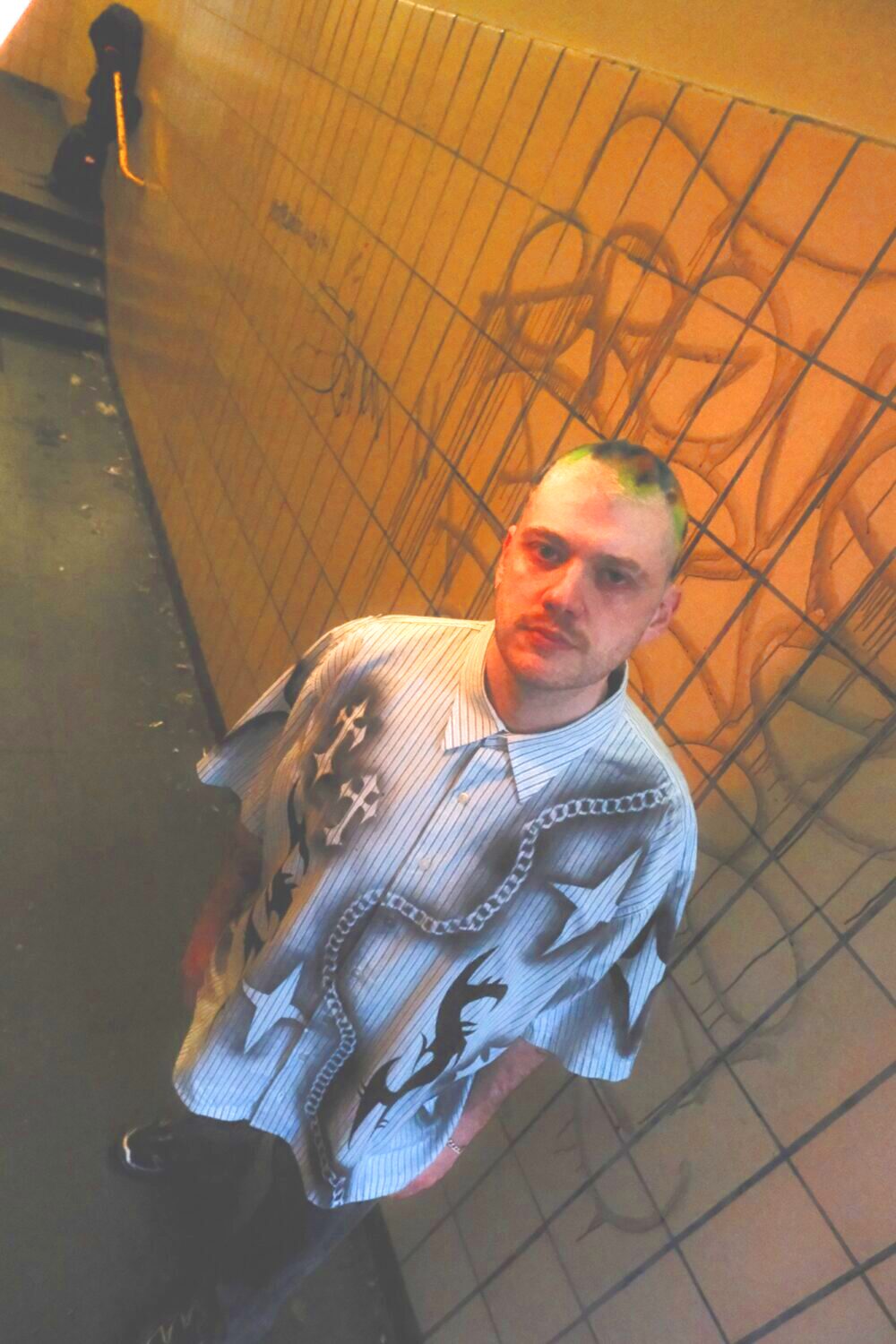
Between experimental noise, intense club moments and musical islands of concentration, Mutante (powered by Festival ECLAT) drives us physically and with all our senses THROUGH THE NIGHT at Romy S.
About robots and other people
Concert narrative for primary school children
A great transformation! The Italian ensemble Azione Improvvisa uses a large box of enchanting sounds to show us what can happen when electronics take over and what musical masks they can put on us.

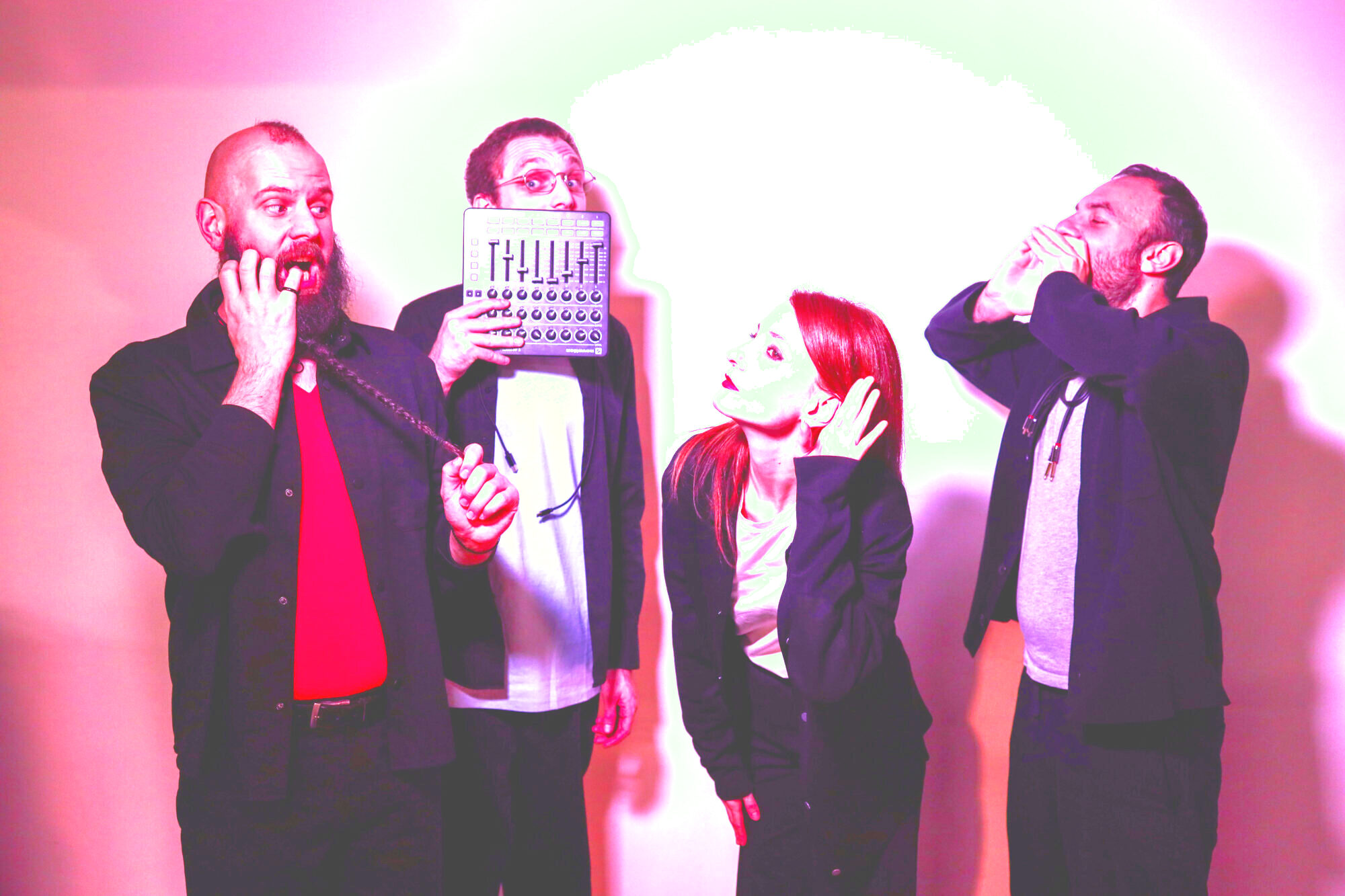
Ensemble Ascolta
»Small musical frescoes«, »sluggish, muddy, sloppy and mostly deep-sounding lines that slowly and sluggishly meander through the sonic background…« and AI-controlled music that »emerges from white noise through diffusion«.
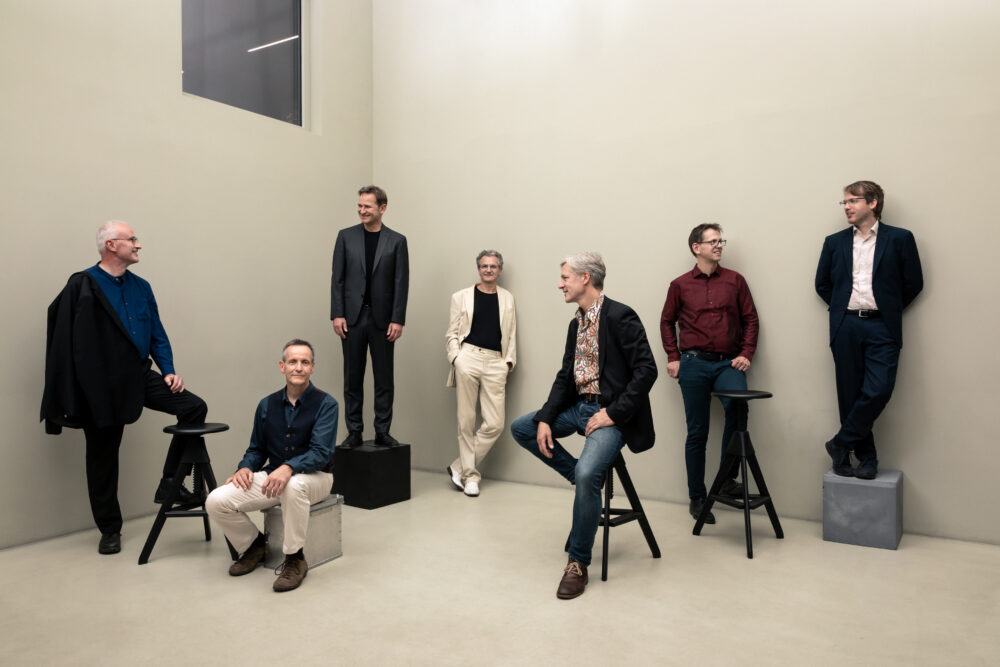
…for Future! So good
Three Stories
A chamber music theatre with the Neue Vocalsolisten, a video narrative and (almost) a still life: the focus gradually narrows, from the universal theme of media oversaturation to seven individual post-Yugoslav experiences to a concentrated, abysmal dialogue.


The Fragile Art of Living Together
Triptych
A project by Neue Vocalsolisten
In an experiential artistic process, seven composers from the former Yugoslavian states reflect on the period of the Balkan Wars and the different perspectives from which the people of the Western Balkans interpret their shared history today.
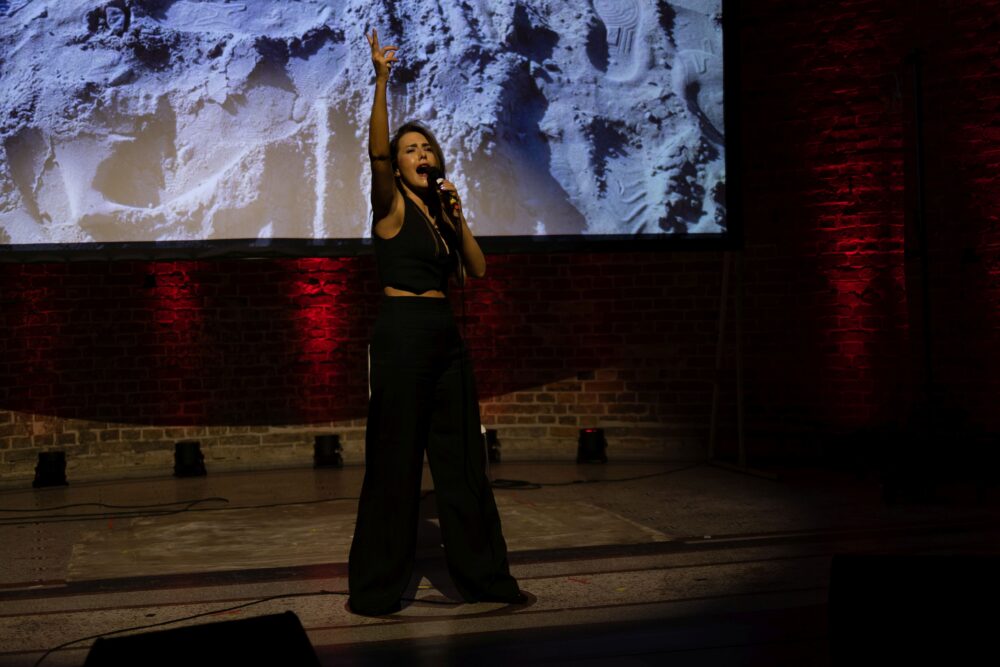
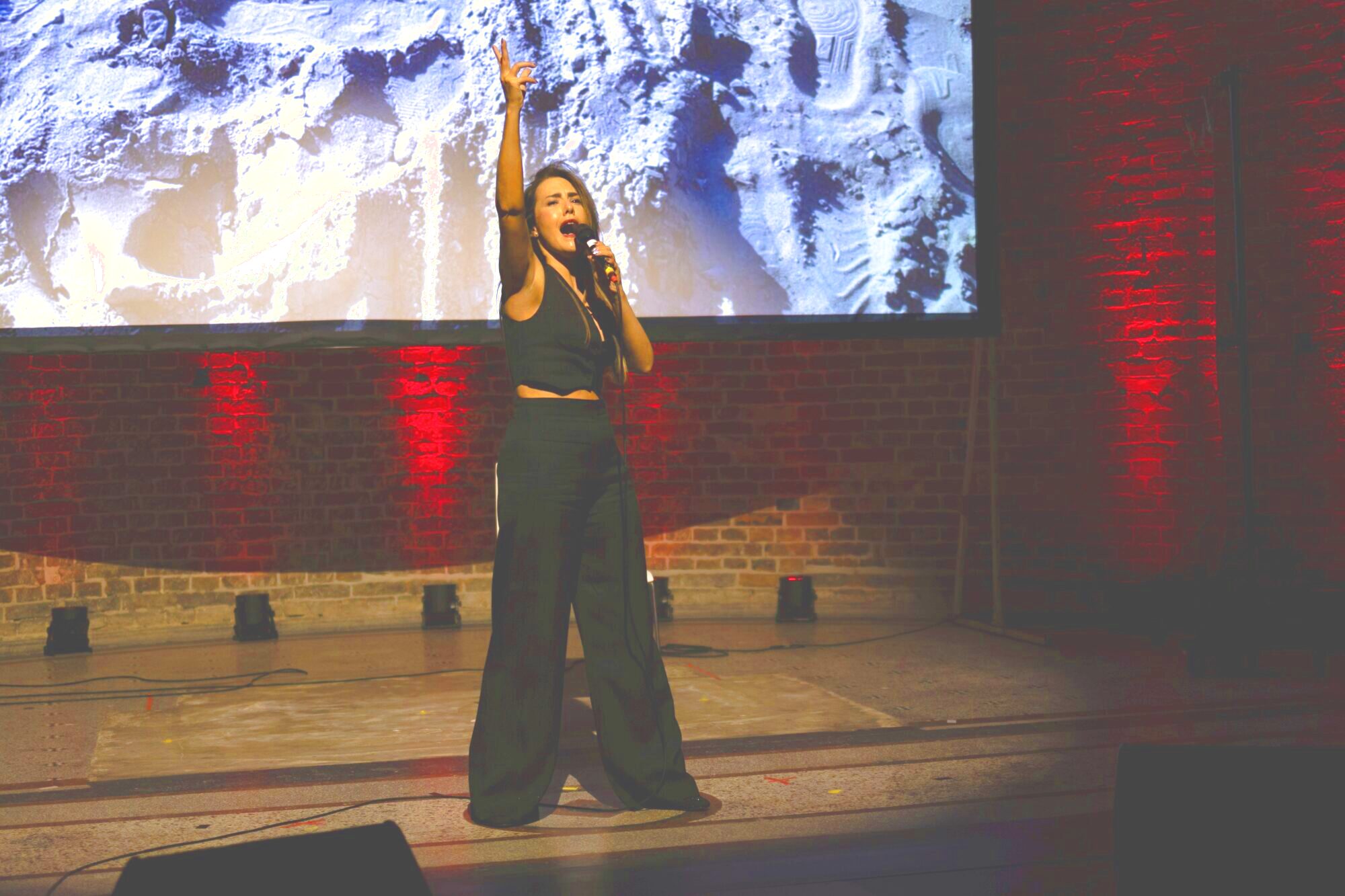
Installation performance
by and with Luxa M. Schüttler, Håkon Stene,
Queers and Allies
»The end result is a kind of acoustic group selfie: queer, supportive, personal, hedonistic. A space full of love and desire.«
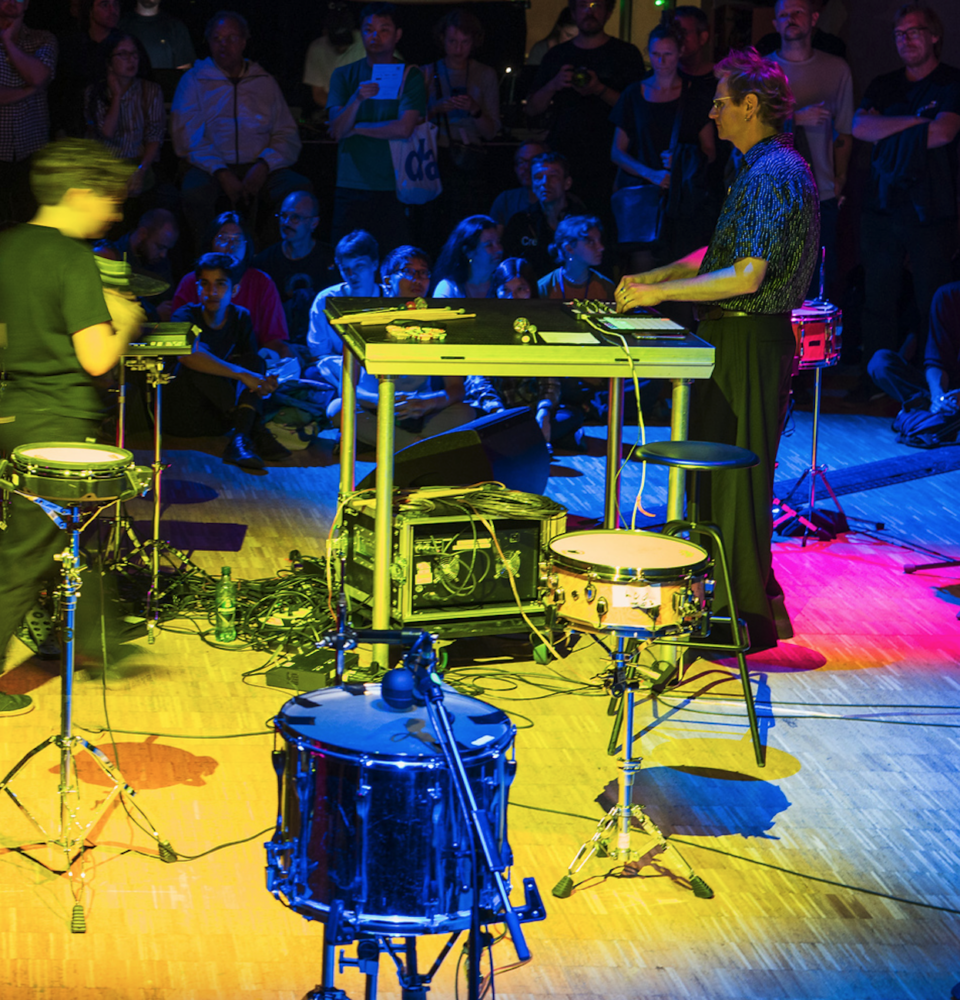

(de-)constructing humanity
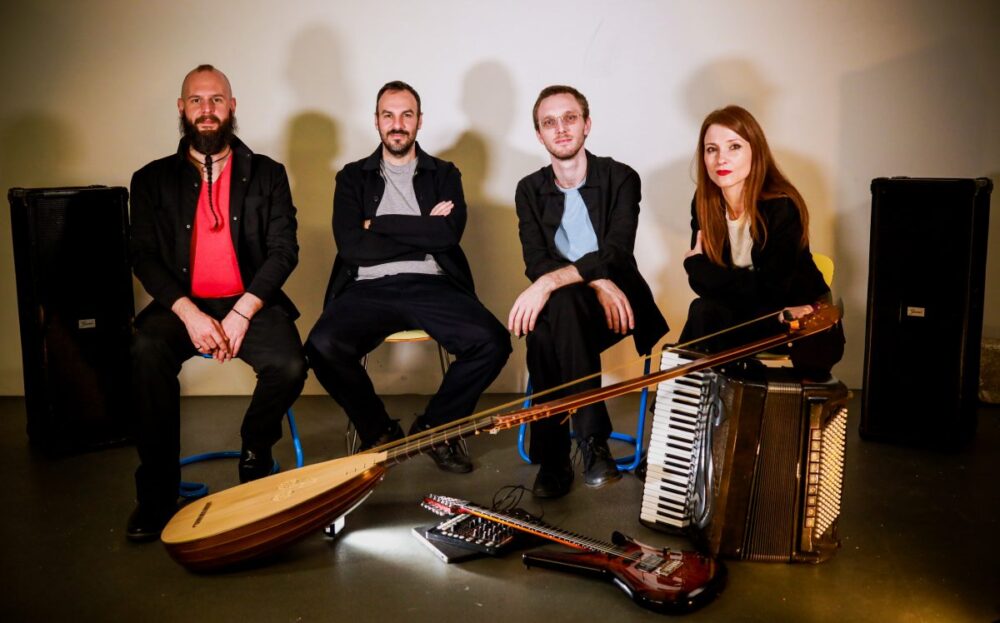
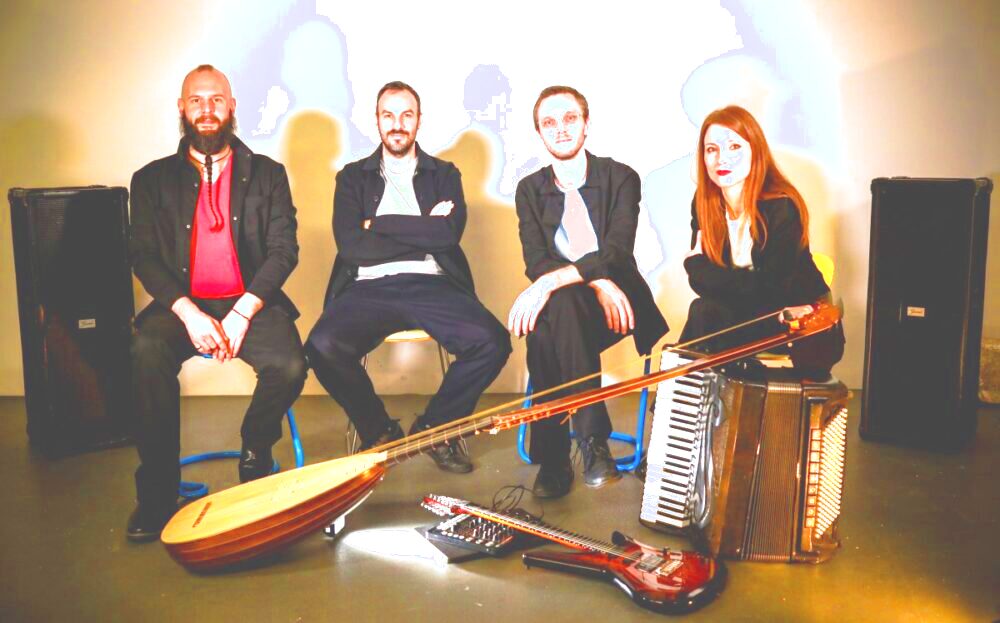
Azione Improvvisa
Four composers elicit a rich variety of colours from this unusual ensemble of instruments and conjure up a wide range of images related to the theme: from the erosion of rock to gently blowing breath to comic-like robotics.
Malanka
Concert narration for primary school children
Together with Malin and Marta, we go into the enchanted forest and celebrate Malanka, a wild winter festival with lots of music to wake up spring!
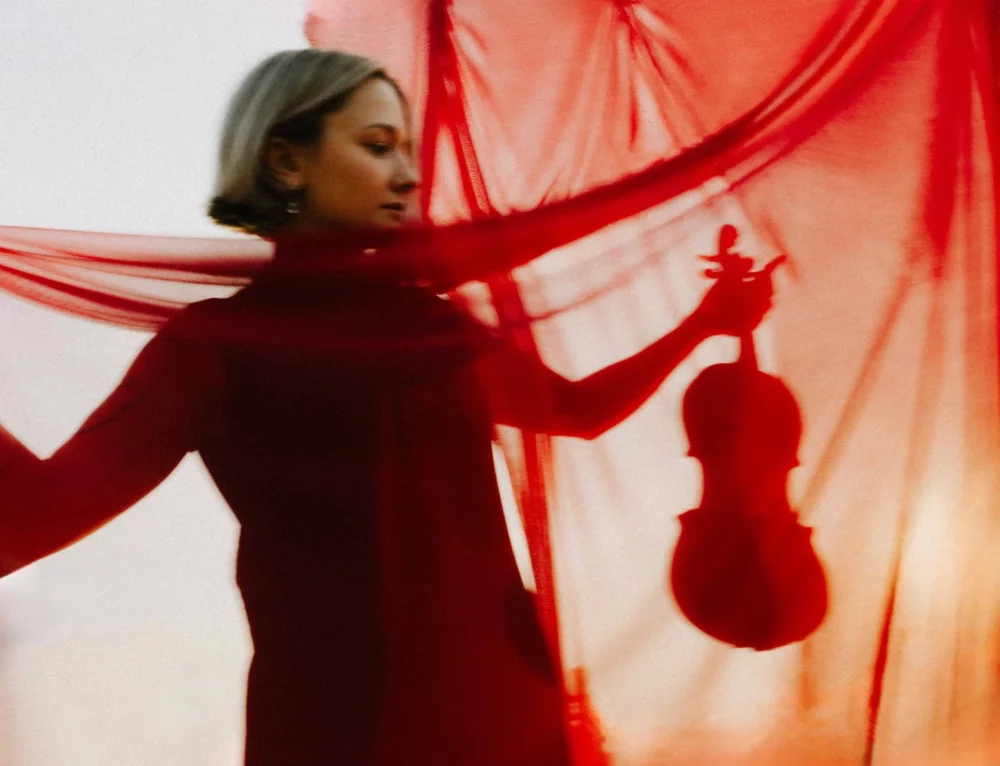
aleph Gitarrenquartett
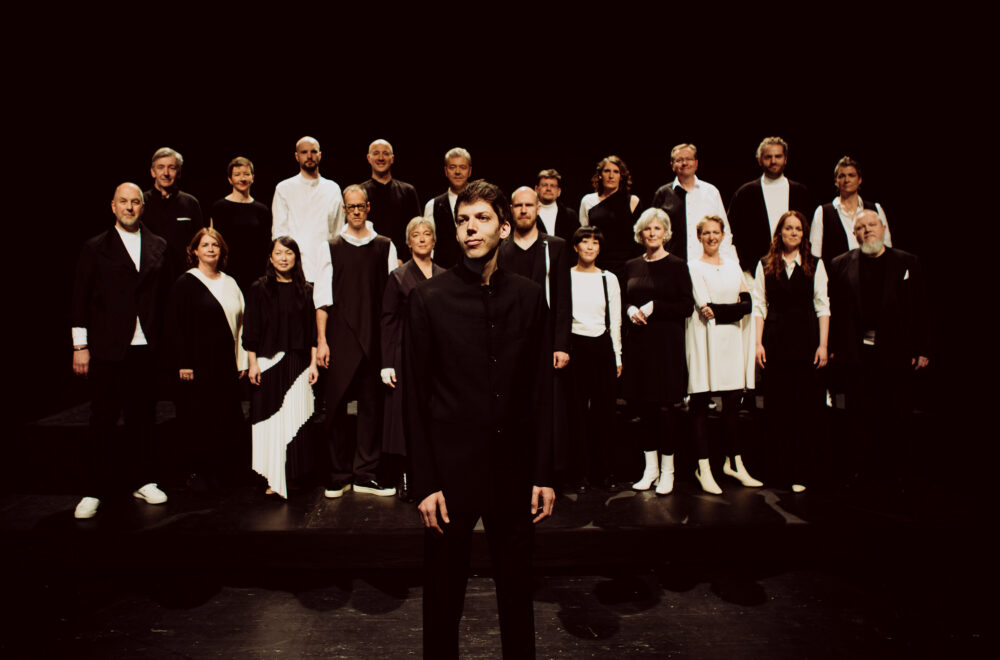
SWR Vokalensemble
»Before language there was voice. Before every narrative there was breath. … The work does not speak; it listens–an echo that quietly continues to breathe between thought and sound.« (Vito Žuraj)
70th Composition Prize of the State Capital Stuttgart 2025
»A work of extremes, eruptions and collapses«–»unconditional colourfulness and energy«–»of great political and aesthetic urgency«: three very different works by three very special winners of the 70th Composition Prize conclude the festival.
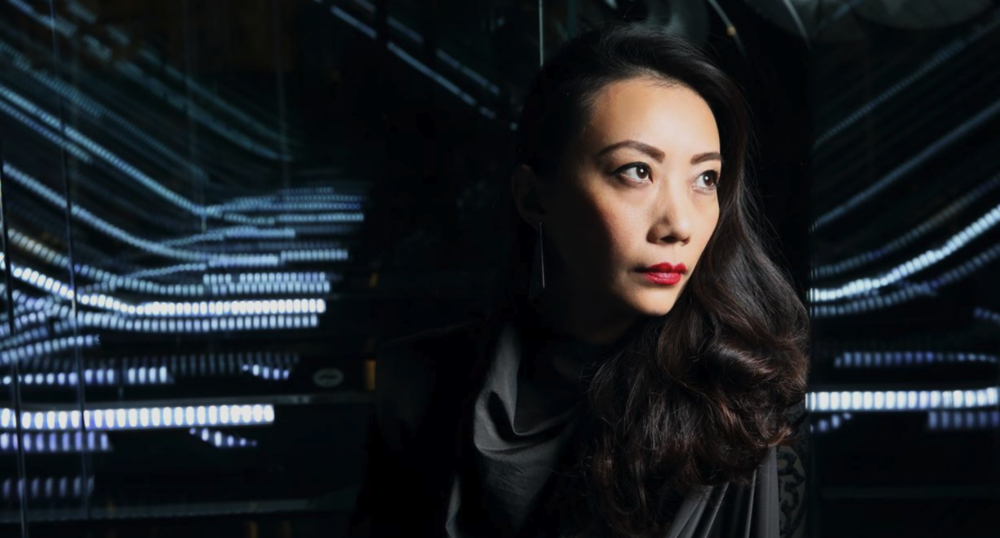
»… If we want to regain hope for a better world, we must be the strongest. And that is only possible if we, as civil societies around the world, become strong again. We must not allow ourselves to be fragmented by the manipulation machines of those obsessed with power. We must see people, not religious, national or gender affiliations. We must overcome camp thinking. We must not cancel each other out culturally.
When we are free in our minds.
And that is only possible if we all take action together. …«
You can find all past events in our archive.
| {{{ content }}} |
|---|
| {{{ content }}} |
| {{{ content }}} |
| {{{ strings.konzerte }}} | {{{ strings.unterstuetzer }}} | {{{ strings.regulaer }}} | {{{ strings.ermaessigt }}} |
|---|---|---|---|
| 35€ | 25€ | 14€ | |
| 28€ | 18€ | 10€ |
| {{{ strings.festivalpass }}} {{{ strings.beinhaltet_alle_konzerte_ausser }}} |
{{{ strings.unterstuetzer }}} | {{{ strings.regulaer }}} | {{{ strings.ermaessigt }}}* |
|---|---|---|---|
| 298€ | 208€ | 110€* |